



Why Some Pets Hate Grooming (And What Changes When They Finally Trust the Right Groomer)
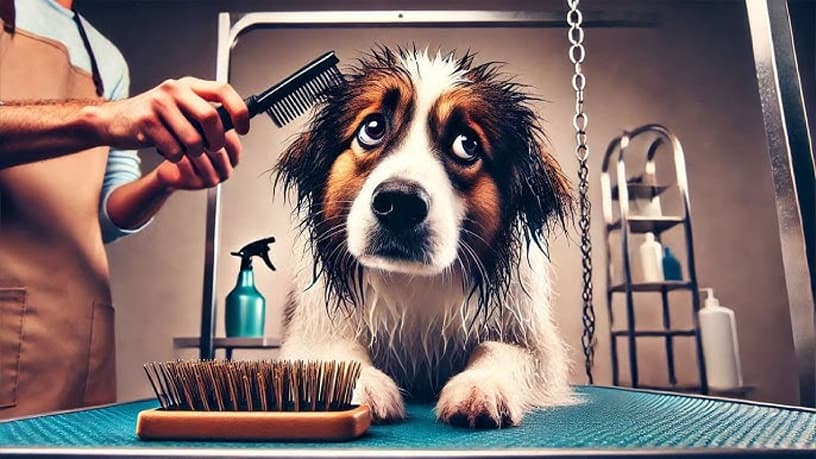
It rarely looks dramatic from the outside. A dog pauses at the doorway instead of walking forward. A cat stays stiff inside the carrier instead of settling down. They are not panicking. They are remembering. Pet owners across Torrance notice it in quiet ways. Grooming appointments are necessary, but the pet does not move toward them willingly. There is hesitation. Stillness. Watching. It is easy to label it as stubbornness or anxiety. But most pets are not reacting to grooming itself. They are reacting to how it felt the last time. Groomers meet animals every day who arrive uncertain. Over time, many of those same pets begin walking in calmly. The process did not change. The environment did not suddenly become different. What changed was trust.
Their Body Reacts Before Their Mind Does
Animals do not think through situations the way humans do. Their nervous system reacts first. When something unfamiliar happens, being handled by someone new, hearing dryers, standing on a table, their body prepares for uncertainty. Muscles tighten. Breathing becomes shallow. They become alert. This response is automatic. They are not choosing fear. They are responding to unpredictability. When grooming becomes predictable, that automatic response weakens. The body stops preparing for discomfort.
Past Experiences Stay in the Nervous System
Even one uncomfortable grooming experience can shape future behavior.
If a pet was rushed, restrained too firmly, or overwhelmed by noise, the sensation stays in memory. Not as a story, but as a physical imprint. The next visit triggers that same preparation. The pet does not know if it will happen again. So their body prepares in advance. When repeated visits remain calm and controlled, new experiences replace the old ones. The nervous system learns something new.
Physical Discomfort Makes Everything Worse
Some pets arrive already carrying discomfort. Matted fur pulls slightly every time they move. Nails press into the floor at unnatural angles. Skin beneath dense coats becomes irritated. They adjust to this slowly. It becomes normal to them. When grooming begins and those areas are touched, their body reacts defensively. Not because grooming caused pain, but because discomfort was already present. Once those sources are removed, future visits feel different. Their body is no longer protecting sensitive areas.
Calm Handling Changes Their Entire Response
Animals read energy immediately. Quick, mechanical handling increases alertness. Slow, steady handling reduces it. When a groomer moves patiently, allowing the pet to adjust, tension fades naturally. The pet observes. Trust begins with calm repetition.
Familiarity Removes the Unknown
Pets recognize patterns faster than people expect. They recognize the room. The table. The person handling them. What was once unpredictable becomes routine. Routine removes fear. Pets that once froze in place begin standing calmly. Their body no longer anticipates harm. They understand what is happening.
Relief Changes Their Behavior Afterward
The shift often becomes visible at home. Pets rest more deeply after grooming. They stretch fully. They settle into comfortable positions without constant adjustment. Their nails no longer interfere with movement. They stop carrying physical irritation they had adapted to quietly. Comfort changes behavior naturally.